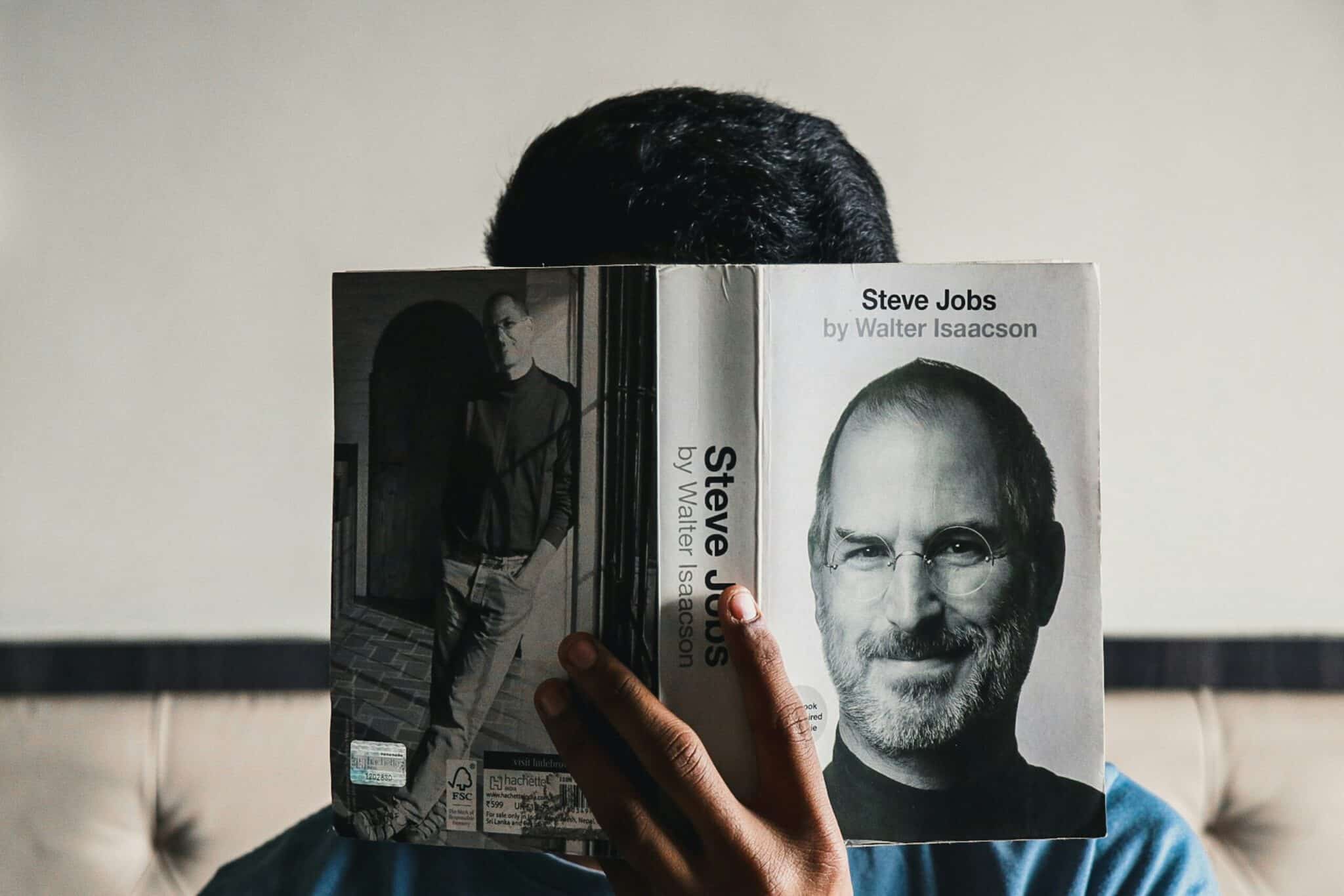
When you think about Jobs, you probably imagine the turtleneck, the stage, and the big reveal of iPhone. But the thing that made him brilliant wasn’t just the product. It was how he talked about the product.
And there are several lessons from him that I think applies to anyone trying to pitch an idea, give a great presentation, or simply get people to care.
Recently, I’ve been working with a global social media company, helping their sales teams master the art of pitching. And I kept finding myself pulling up videos of Steve Jobs to illustrate key principles of storytelling in action. So I thought I’d share some of those lessons with you:
1. Pain: Show what life looks like now
Imagine you’re introducing a brand-new device. Most people would say something like:
“Here’s a phone that’s also a music player and a web browser.”
Clear. Logical. But also… forgettable.
Jobs did something different.
He started by painting the “before” picture. What everyday life felt like at the time:
Phones could only call and text.
Music players were separate gadgets you had to carry around.
Browsing the internet on mobile was slow and clunky.
How to use this: Start your pitch by describing the current state of play. Show your audience what “life now” looks like without your solution. Be specific. The more clearly you describe it, the more relatable it becomes.
2. Escalate the tension, and let the pain sink in
Jobs didn’t immediately jump to the solution.
He didn’t just mention one problem and move on.
Instead, he kept stacking frustrations. One after another.
Each frustration made the pain sharper. Each example made the audience nod along, thinking, “Yes, that’s true… that’s awful.”
And here’s the genius part: after escalating the pain, he didn’t rush. He let it hang in the air. He gave the audience a beat to sit with that frustration. By the time he moved on, they weren’t just interested – they were hungry for the fix.
How to use this: Don’t stop at one problem. Layer them. Escalate the pain until your audience feels it in their gut. Create anticipation for the solution.
3. The bold promise and big reveal
Only after establishing the pain, and building anticipation, did Jobs deliver the bold promise we all remember:
“Today, Apple is going to reinvent the phone.”
One sentence. No jargon. No feature dump. Just a bold promise that instantly reframed everything.
How to use this: Position your idea, product, or proposal as the antidote that rescues the audience from the pain you just described. Keep it simple and memorable. Boil it down to one memorable sentence.
4. Paint the new reality
Jobs didn’t stop at saying “Here’s the iPhone.”
He showed what life would look like after: one sleek device that handled calls, music, and internet all at once. It was a world where your pocket got lighter, your life simpler, and your experience smoother.
How to use this: Don’t just describe the solution – describe the transformation. Show your audience what their “after” picture looks like. The more vividly you paint it, the more they’ll want it.
The Ingredients that Make This Storytelling Structure Work
You might be thinking – “That sounds fairly simple. Start with the pain, then the solution.” DUH.
But the magic is in the execution of the framework.
Because here’s what I’ve found:
Even though most people know about the “problem-solution” structure, what do most people actually do? They skip past the pain. They dive straight into, “Here’s a product we built… Here’s why we’re great… Here are all our awards.”
Why?
Because they assume, “Well, the audience already knows about the pain. So let’s just dive into the reveal.” And in doing so, they kill all the dramatic tension and anticipation.
But consider this:
Even when people do start with the pain, they rarely create real tension. They mention a problem, then immediately jump to the fix. No anticipation, no build-up, no craving for a solution.
Steve’s real genius was in the fact that he took a simple “problem-solution” structure, and then added contrast, escalation, anticipation, and finally – revelation – to create an AHA moment for his audience.
Related: How to build executive presence
You can follow the same storytelling playbook:
Here’s how:
- Show the pain of life now. Make it real, specific, relatable.
- Escalate the pain, and let it sink in. Don’t rush. Create tension.
- Reframe with one bold promise. Boil your idea into a single unforgettable line.
- Paint the “after” picture. Make people feel the transformation.
That’s how you move from “informing” to inspiring people to action.
Akash
P.S. I’ve spent the last decade studying what makes words move people. I’ve had the privilege of working with teams at Gucci, FedEx, Sony, TikTok, EY, JP Morgan, and more. I help teams use the science of influence to pitch persuasively, stand out in a crowded marketplace, and drive sales . If you’d like to explore bringing this kind of training to your organization, get in touch here